
Custom Software Development Company
Your business has its own processes, priorities and growth plans. Your software should support them, not make your team work around unnecessary constraints.

When custom software makes sense for your business
Custom software makes sense when there is a clear gap between what your business needs and what available tools can provide. If an existing product fits at a reasonable cost, that may be all you need.
Manual work and spreadsheets
When teams coordinate everyday work through spreadsheets and repetitive data entry, a custom-built app can organise those workflows and reduce manual effort.
Separate systems, scattered data
When applications keep their own copies of the same data, we look at what has to move between them and whether integration is technically feasible.
Processes that no longer scale
Processes that suited a small team get harder as transactions, users and demands grow. Software should serve present needs and realistic future ones.
Custom software development services
From custom applications to web, mobile, testing and IT consulting, we turn technology requirements into workable digital solutions.
Custom Application Development
Build the functionality your business needs instead of bending workflows to an off-the-shelf product: internal apps, bespoke tools and platforms.
Explore custom softwareWeb Development
Websites and web-based functionality that are easy to find, use and navigate, whether you are getting online or improving.
Read moreMobile App Development
Mobile applications built around end users, giving easier access to information, services and specific business functions.
Read moreSoftware Testing
Testing that finds functional problems and inconsistencies, scoped to the application, its requirements and its risks.
Read moreIT Consulting
Analyse your technology needs, understand the alternatives and decide what to build, improve or alter before investing.
Read moreSupport & Maintenance
Bug fixes, software updates and changes to business requirements, covered by the support arrangements in your agreement.
Read moreSystems Integration
Connect separate business systems so information moves between them, once interfaces, access and limits are assessed.
Read moreWhy consider Ripping IT Services as your partner?
A good partner understands the problem, thinks about the people who will use the solution and how it fits your business.

A focus on business requirements
Software should address a defined need. Clear requirements keep development relevant to its users, and the scope reflects your situation, from a first application to an established system.
- Defined business need
- Users kept in focus
- Scope fits your stage
- New build or upgrade
Practical technical decisions
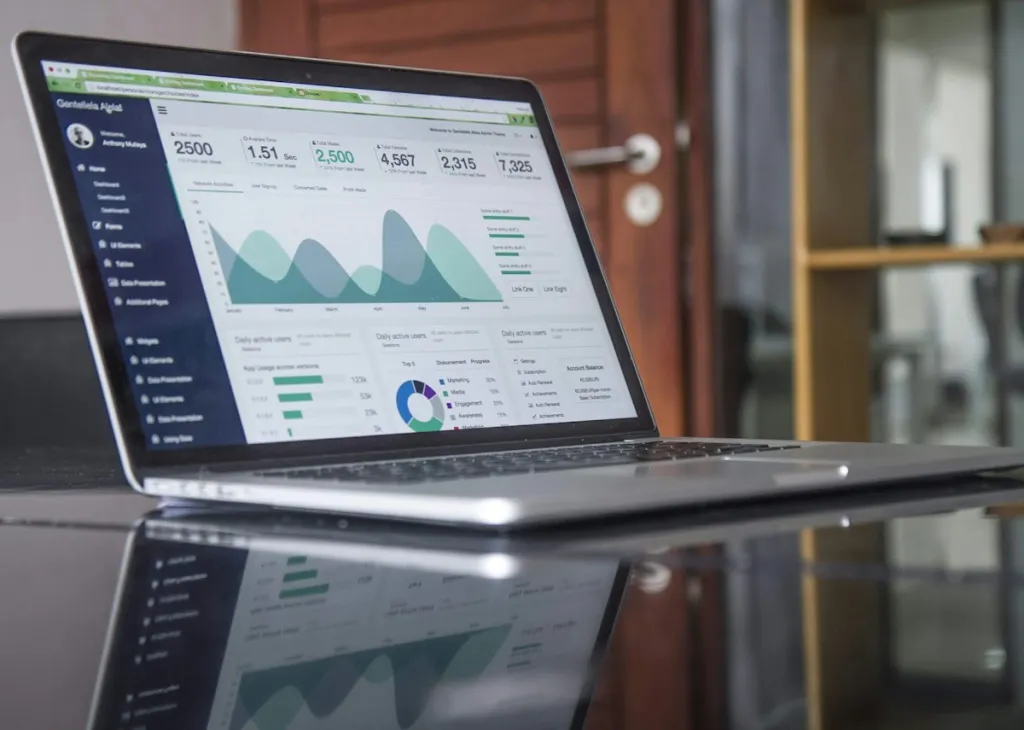
The most complex approach is not always the best one. Technology decisions should rest on the functionality, constraints and long-term needs of the project, not on novelty.
- Functionality first
- Real constraints
- Long-term needs
- No needless complexity

Clear expectations on both sides
Clear responsibilities, agreed deliverables and open discussion of changes make the project clear for both sides. Questions are raised early and feedback guides decisions.
- Clear responsibilities
- Agreed deliverables
- Open change discussion
- Early questions answered
A focus on software quality
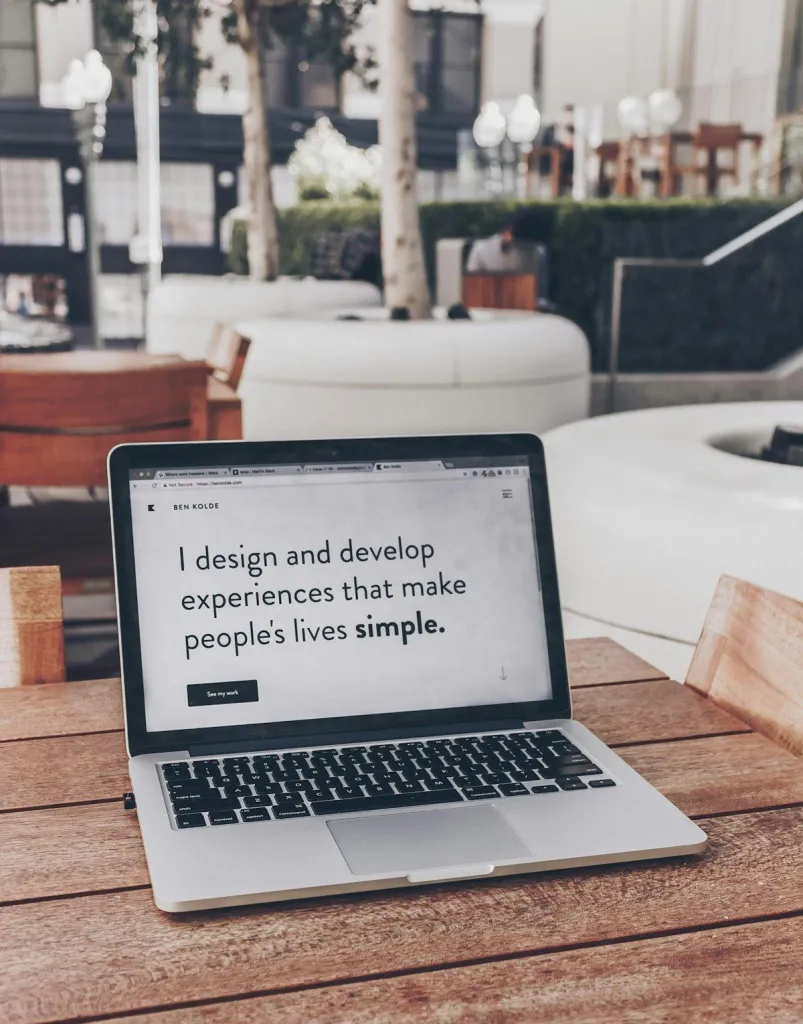
Testing and review uncover problems that affect functionality and usability. Quality requirements are defined early and assessed during development, with issues fixed by impact.
- Quality defined early
- Review in development
- Tested before release
- Fixes by priority
How we build software
A plan alone does not make a project succeed. It takes a shared understanding of the problem, clear priorities and ongoing communication.
Requirements
Your current process, users, main problems and the functions the solution must have.
Scope & boundaries
Must-haves and nice-to-haves, technical specs, resources and deadlines agreed.
Design & build
Development follows the agreed requirements, with no complexity for its own sake.
Testing & review
Functionality checked against requirements; issues handled by priority and impact.
Deploy & evolve
The solution prepared for its intended environment, within the agreed scope.
Software solutions across different industries
The right software depends on the work, the people doing it and the information involved. These are indicative use cases, not delivered projects.

Financial Services
Internal workflow apps, reporting tools and information platforms, within security and regulatory needs.

Healthcare
Administrative and information-management tools built around operations, privacy and access control.

Manufacturing
Systems for production information, tracking operational activity and inventory-related processes.

Media
Platforms and applications that bring digital content and media experiences to online audiences.

Retail
Retail software for managing product data, inventory processes and online customer interactions.

IT Industry
Web applications, internal management tools and software adapted to IT companies’ operations.
Frequently asked questions
Answers to common questions about custom software, choosing a partner, timelines and support.
Still have questions?
The companies that work in software development are specialized in the creation of software solutions that fit the needs of specific businesses. It may involve developing a new application or online platform or upgrading an existing software solution.
Custom development is relevant where the necessary features, workflows, and business requirements cannot be satisfied by ready-made solutions. However, companies should evaluate the cost of development and compare it to the potential benefits.
The first step is to define the requirements, and then the suppliers should be assessed on the basis of their experience, skills, communication abilities, size, and scope of the project. Ask how the requirements will be documented, how changes will be handled, and what support is available after delivery.
Integration is possible depending on the systems involved, the interfaces they have available, their access permissions, and their technical limitations. The proposed approach should be confirmed after the development team evaluates the current environment and defines the integration requirements.
Timelines will vary depending on application complexity, features required, integrations, testing requirements and availability of project resources. There should be a requirements and scope assessment followed by a realistic estimate.
Support and maintenance are based on services covered by the agreement. These services may be bug fixes, software updates, or changing business requirements. Make sure you understand the support arrangements, responsibilities, and any other costs before a project is underway.
Let’s talk about your software project
Start with the challenge you face, who it affects and the result you want. Then we can discuss features, technical details and next steps.
Let’s discuss your requirements
Tell us what you are trying to do and what is not working. In our first conversation we can agree next steps.
Get in touch
Reach us by email, phone or the form.
Visit Us
Suite No. 201, 2nd Floor, H138, Sector 63,
Noida (Delhi NCR) 201301, Uttar Pradesh, India